
Roulette has captivated millions around the world, not just within the confines of traditional casinos, but also within the gaming community. While platforms like roulette not on gamspot Imperial Prostate provide health information interspersed with gaming chats, the world of roulette deserves attention as a unique blend of chance and strategy that extends beyond typical gaming sites. This article aims to delve into the fascinating edge of roulette, exploring its strategies, variations, and the psychology that draws players into this enticing game.
The Origins of Roulette
Roulette, which translates to “little wheel” in French, has a rich history that dates back to the 18th century. The game is thought to have originated in France, evolving from earlier games like Roly Poly and Even-Odd. Originally involving a spinning wheel and a ball, the modern to the game’s mechanics and rules have been refined over centuries, leading to several variations that are popular today.
The Mechanics of Roulette
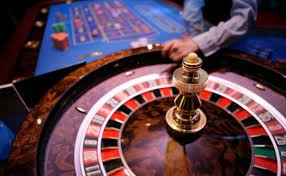
At its core, roulette consists of a wheel with numbered pockets and a betting layout. Players place their bets on where they believe the ball will land after the wheel is spun. Bets can be placed on individual numbers, groups of numbers, or even colors. This simplicity of mechanics is part of what makes roulette accessible and appealing to both seasoned gamblers and casual players alike.
Types of Bets
Bets in roulette are categorized into two main types: inside bets and outside bets. Inside bets are those placed on specific numbers or small groups and offer higher payouts due to their lower probability of winning. On the other hand, outside bets encompass a broader range of outcomes, such as colors or odd/even numbers, providing players with better odds while offering lower payouts. Understanding the difference between these betting types is crucial for developing a successful strategy.
Strategies to Enhance Winning Potential
Although roulette is fundamentally a game of chance, many players use various strategies to improve their odds. Some popular strategies include:
The Martingale Strategy
This strategy involves doubling your bet after every loss. The idea is that once you finally win, you will recover all previous losses plus a profit equal to your original bet. While the Martingale strategy can be effective in the short term, it requires a substantial bankroll and is risky, as it can lead to significant losses if a losing streak occurs.
Fibonacci Strategy
The Fibonacci betting system is based on a famous mathematical sequence. Players begin with a small bet and increase their stake following the Fibonacci sequence after a loss, while reverting to the initial bet after a win. This strategy is considered less risky than Martingale, as it allows for smaller, more manageable betting increments.
D’Alembert Strategy
The D’Alembert strategy is another popular approach that is based on the principle of balancing out wins and losses. Players increase their bet by one unit after a loss and decrease it by one unit after a win. This strategy offers moderate risk and can be an excellent choice for those who prefer more strategic betting methods.
Psychology of Roulette
Beyond strategies and odds, the psychology behind why people play roulette is an intriguing aspect of this game. Many players are drawn to the thrill of uncertainty and the excitement of watching the ball bounce around the wheel. The potential for a substantial payout adds to the allure, often creating an adrenaline rush that is hard to resist.
The Gambler’s Fallacy
One common psychological phenomenon observed in roulette is the Gambler’s Fallacy. This is the belief that past events can influence future outcomes in a random game of chance. For instance, if a player notes that red has come up several times in a row, they may assume that black is “due” to appear next. This fallacy can lead to misguided betting strategies and may result in losses.
Online Roulette: The Digital Shift
The advent of online casinos has transformed how players engage with roulette. Virtual platforms allow players to enjoy the game from the comfort of their homes, providing easy access to various versions and tables. From live dealer games to automated roulette, online casinos have successfully replicated the feel of a physical casino while integrating features like bonuses and promotions to entice players.
Safety and Security in Online Play
With the rise of online gambling, safety and security have become paramount concerns for players. Reputable online casinos implement strict measures to protect personal information and ensure fair play. Players should always choose licensed and regulated platforms, take advantage of secure payment methods, and understand the terms and conditions of the games they are playing.
Final Thoughts
Roulette remains one of the most celebrated games in both physical and digital casinos, captivating enthusiasts for centuries. While platforms like GameSpot may focus on video games and gaming culture, the allure of traditional games like roulette deserves equal recognition, offering depth in strategies, psychology, and excitement. Whether you’re a casual player looking to try your luck or a seasoned gambler employing intricate strategies, roulette continues to hold its status as a timeless classic.
As you explore the world of roulette, remember that it is essential to approach the game responsibly. Always set a budget, know when to walk away, and most importantly, enjoy the thrill of the game in a safe and secure environment.